LAIVin

LAIV’s new season

LAIVin was founded in 2018 from the encounter between Fondazione Cariplo, the Être Cultural Association and the Alchemilla Social Co-operative. The project combined two of the Foundation’s historical initiatives: the Être project (since 2008), focusing on emerging theatre companies in Lombardy, and LAIV (2006-2017), which involved almost 250 high schools. 

The project mission is to bring theatre and music into schools, to encourage a leading role in culture for young people and to develop citizenship skills. Thanks to the network of theatre residencies in Lombardy, LAIVin has created a widespread system of workshops and activities in the area

Through a dedicated call for proposals, schools have co-designed music and theatre workshops with teachers, cultural practitioners and students, with the aim of bringing the new generations closer to contemporary languages of performance. 

LAIVin in figures:

  • 1,200 workshops completed 
  • 40,000 students involved 
  • 2,000 teachers and cultural practitioners taking part 
  • 9 million invested by Fondazione Cariplo (approx. €5 million of which in non-repayable grants to schools)
  • 350 schools supported. 

LAIVin has created local calendars of shows and events to encourage alliances between schools, local authorities and cultural organisations. It has also offered training to teachers and practitioners, and has launched its LAIVin Action Festival, an annual event led by students, held in a different city every year. 

 
The project ended in 2025, although Fondazione Cariplo intends to leverage its results and continue to support educational initiatives together with schools and cultural institutions.

Per aspera ad astra

Come riconfigurare il carcere attraverso la cultura e la bellezza

How to reconfigure prisons through culture and beauty

“Per aspera ad astra – How to reconfigure prisons through culture and beauty” is a project led by ACRI, launched in 2018, as an experimental intervention aimed at encouraging the networking of theatre experiences in prison throughout Italy and strengthening active projects (or promoting the activation of new ones) within penitentiary institutions for the professional training of prisoners in the field of theatre and the performing arts and crafts.

The project proposal, which emerged as part of the work of the ACRI Commission for Cultural Activities and Heritage, is based on the model of the Compagnia della Fortezza, which has been operating for over 30 years in Volterra Prison with an intensive theatrical activity for prisoners, focusing on the intrinsic value of the arts.

In 2025, Per aspera ad astra reached its eighth edition, with the support of 12 banking foundation members of ACRI and the involvement of 16 penitentiary institutions and the same number of cultural practitioners. They have created a national network of theatre companies active in prisons, share their intervention methodology while respecting the specificities of each institution.

Participating Foundations

  • Finisterrae Teatri – Trento Prison
  • Fondazione Cariplo
  • Fondazione Carispezia
  • Fondazione Cassa di Risparmio di Cuneo
  • Fondazione Carige
  • Fondazione Perugia
  • Fondazione Cassa di Risparmio di Volterra
  • Fondazione Compagnia di San Paolo
  • Fondazione Con il Sud
  • Fondazione del Monte di Bologna e Ravenna
  • Fondazione di Sardegna
  • Fondazione Tercas
  • Fondazione Caritro
  • Theatre companies and prisons involved:
  • Carte Blanche / Compagnia della Fortezza – Volterra Prison (PI) 
  • Opera Liquida – Opera Prison, Milan
  • Theatre & Society – “Lorusso & Cutugno” Prison, Turin
  • Baccanica Association – “Pagliarelli” Prison, Palermo
  • FormAttArt – Bollate Prison (MI)
  • Teatro Nazionale di Genova – Women’s Section of Pontedecimo Prison, Genoa
  • Gli Scarti Association – La Spezia Prison
  • Cada Die Teatro – Uta Prison, Cagliari
  • Teatro Stabile dell’Umbria – Capanne Prison, Perugia
  • Teatro dell’Argine – Rocco D’Amato Prison, Bologna
  • Errant Voices – Saluzzo Prison (CN)
  • Teatro Necessario – Marassi Prison, Genoa
  • ACS Abruzzo – Teramo Prison
  • Puntozero Association – “Beccaria” Penal Institute for Juveniles, Milan
  • Teatro Kismet Opera di Bari, Bari Theatres – “Fornelli” Penal Institute for Juveniles, Bari

Progetto AgriECO

Launched in 2021, the AgriECO project was created to encourage the ecological transition in agri-food systems, integrating environmental and social objectives. Through a multi-year strategy, the project aims to: 

  • enhance the competitiveness of agricultural systems from a sustainable perspective and improve working conditions in the local areas involved 
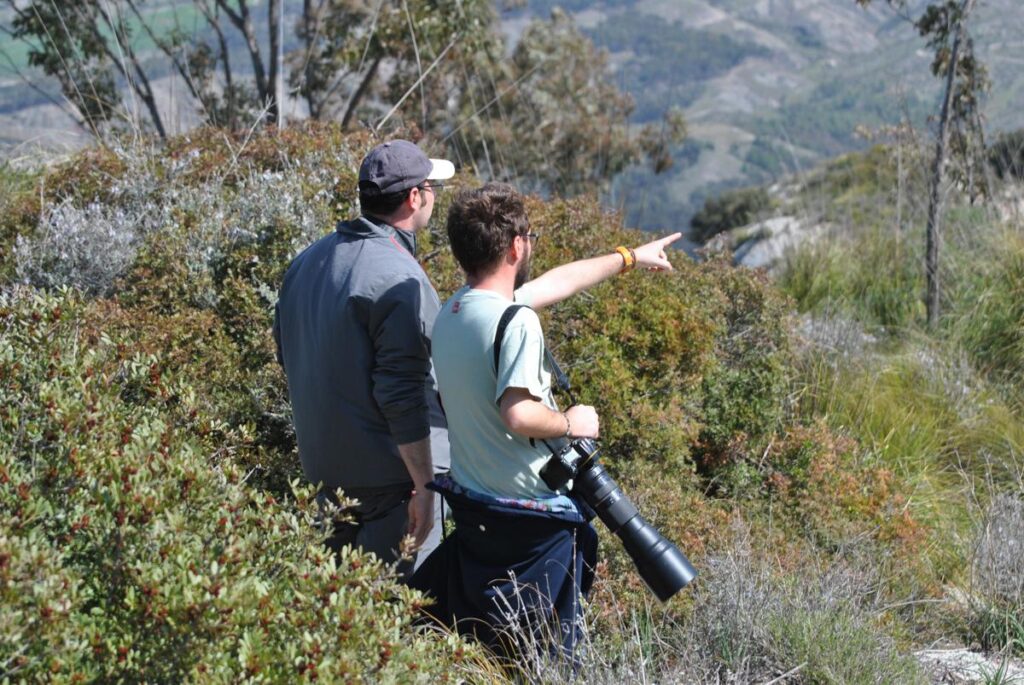
  • facilitate farmers in the conservation and protection of habitats linked to production activities and, more generally, in the management and care of the land 
  • encourage approaches inspired by agro-ecology and the circular economy, oriented towards the protection of agro-biodiversity

AgriECO pathway

In the first year, AgriECO supported training initiatives for farmers and young agronomists, contributing to the launch of Accademia Ca’ Granda and the course to become an environmental agricultural trainer

Since 2022, with a budget of €500,000, the strategy has focused on the sustainable development of agricultural districts in Fondazione Cariplo’s catchment area. In Lombardy and in the provinces of Novara and VCO, agricultural districts occupy a significant share of mountainous areas and used agricultural land (UAL), involving a significant proportion of livestock farms in the region. 

To explore the territorial framework further, the Foundation has funded an analysis of the districts by the CREA Centre for Policies and Bioeconomy, highlighting needs and opportunities for intervention, including: 

  • improvement of the connection between districts and other economic entities in the supply chain 
  • acknowledgement of the added value of agricultural production 
  • promotion of climate change adaptation strategies 
  • strengthening of supply chain co-operation and reward systems.

In October 2022, the first call to action was published, which selected two agricultural districts: the Casalasco Viadanese organic district and the San Colombano hill district. Since March 2023, these organisations have embarked on a pathway of support to define intervention plans aimed at sustainable development, with attention to agricultural multifunctionality, enhancement of ecosystem services and strengthening of competitiveness. The plans, approved by the Foundation, kicked off in March 2024 and will be implemented over the course of two years. 

AgriECO 2.0 and new lines of work

New opportunities have emerged from many years of experience:

  • to improve the integration and coherence of the philanthropic strategy in the agricultural sector
  • to enhance the interpersonal capital built
  • to strengthen collaborations and synergies between the various entities working in the environmental and agricultural fields.

In 2024, phase 2 – AgriECO 2.0 – began, focusing on organisations with experience in training, raising awareness and policy advocacy in the agricultural sector. Through a call for expressions of interest, key players will be selected to take part in a participatory planning process, aimed at:

  • facilitating the emergence of collaborative proposals between bodies active in the agricultural and environmental sectors, thus strengthening co-ordination
  • fostering the integration between different visions of agriculture and sustainability-oriented practices.

Continuing to this day, interventions are in development, aiming to:

  • enhance training and knowledge transfer with agro-ecology in mind
  • construct national dialogue between agricultural networks, environmentalism and civil society to guide agri-food choices and policies
  • promote more sustainable farms and animal welfare.

Updates 2025–2026: work in progress on phase 3

Since 2025, the AgriECO project has witnessed the launch of its third phase, which focuses on three lines of work that integrate environmental and social objectives:

  • Food districts: a new stage of support for two food districts, to define intervention plans consistent with the Foundation’s lines of mandate, to strengthen the sustainability of production and improve the organisation of supply chains with sustainability in mind.
  • Social agriculture: network analysis to identify needs and resources, development of skills for operators and new support tools to ensure stable local networks. The results will be presented at Metropoli Agricole 2026.
  • Work in agriculture: initiatives to promote decent employment, improve conditions and protection, and combat distortions that weaken the quality of work.
AgriECO portal

Online since November 2025, the AgriECO portal adds structure to returning the results of the initiatives supported by Fondazione Cariplo in the agricultural sector. It offers an overview of the projects promoted, the strategies adopted and the tools provided to strengthen the environmental and social impact on local areas.

Discover the AgriECO portal

Co-financing of European projects

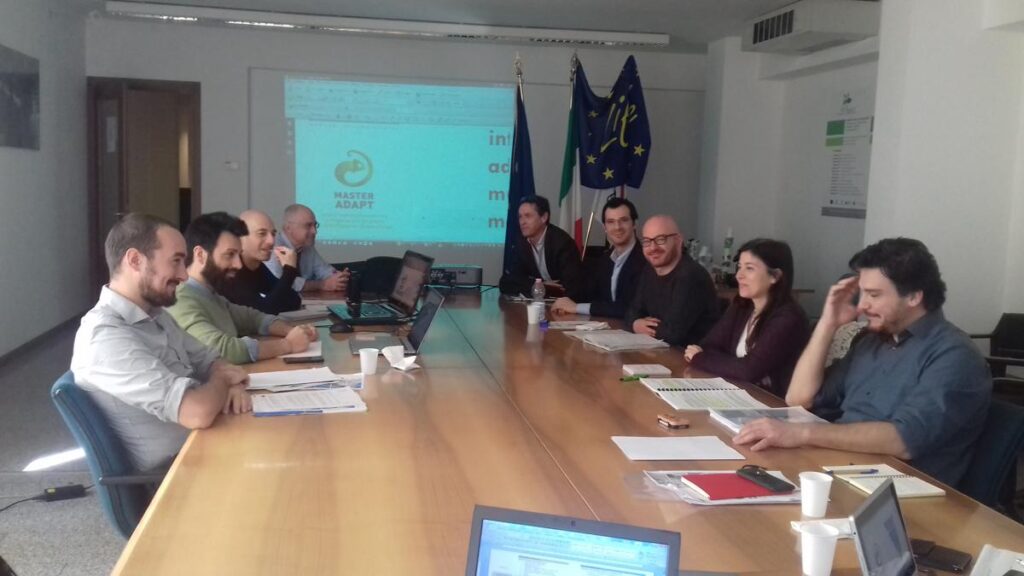
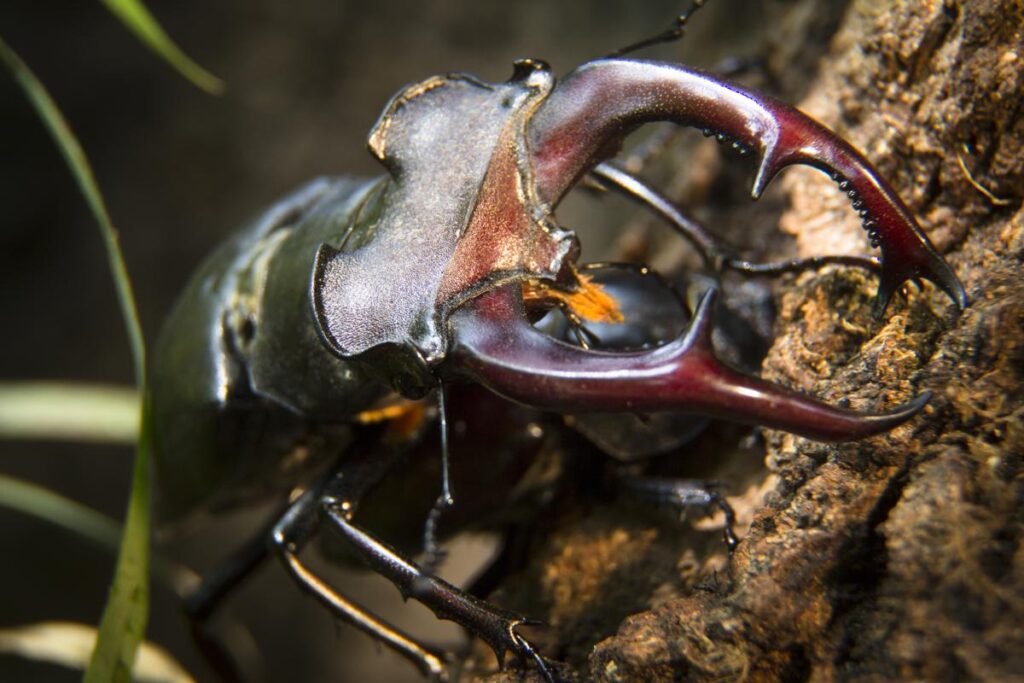
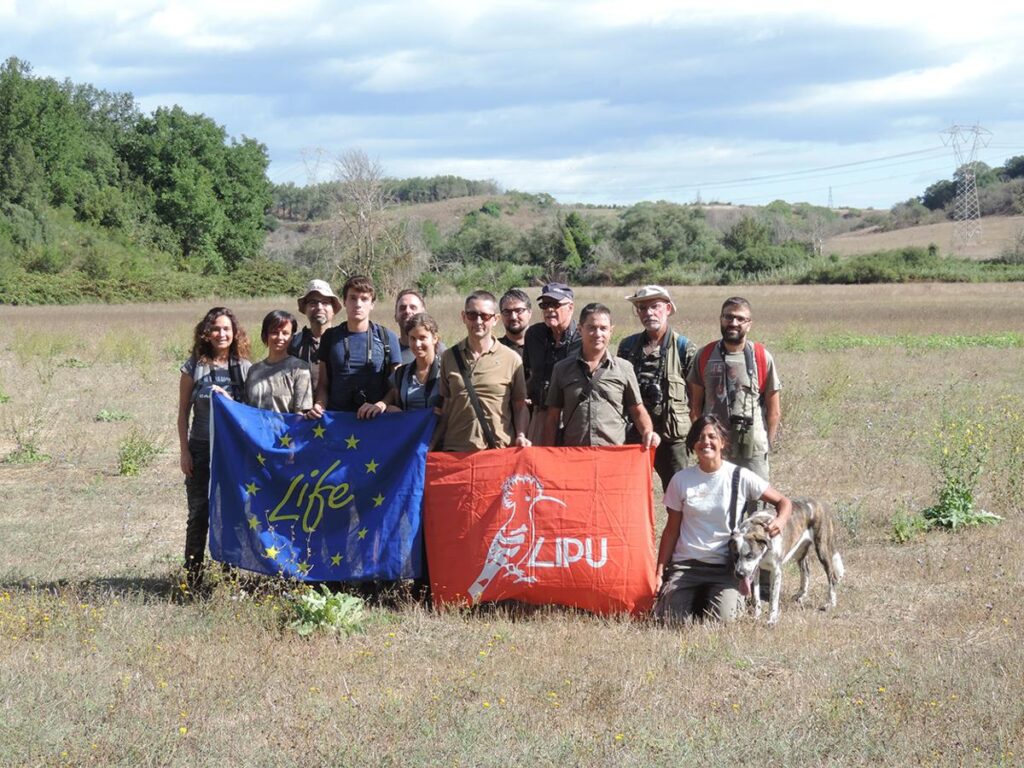
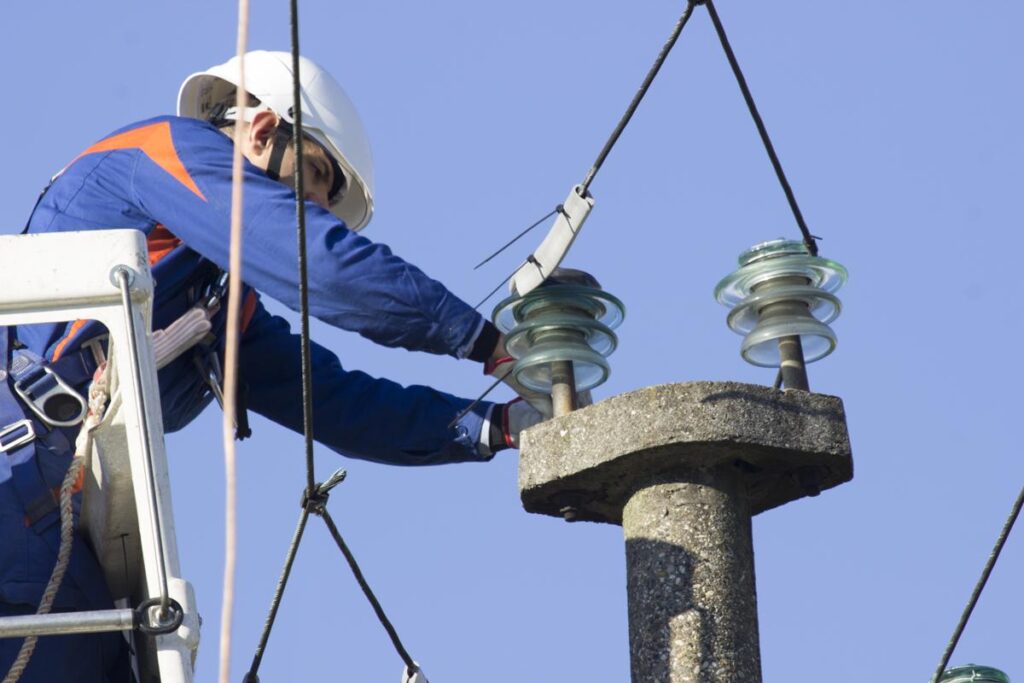
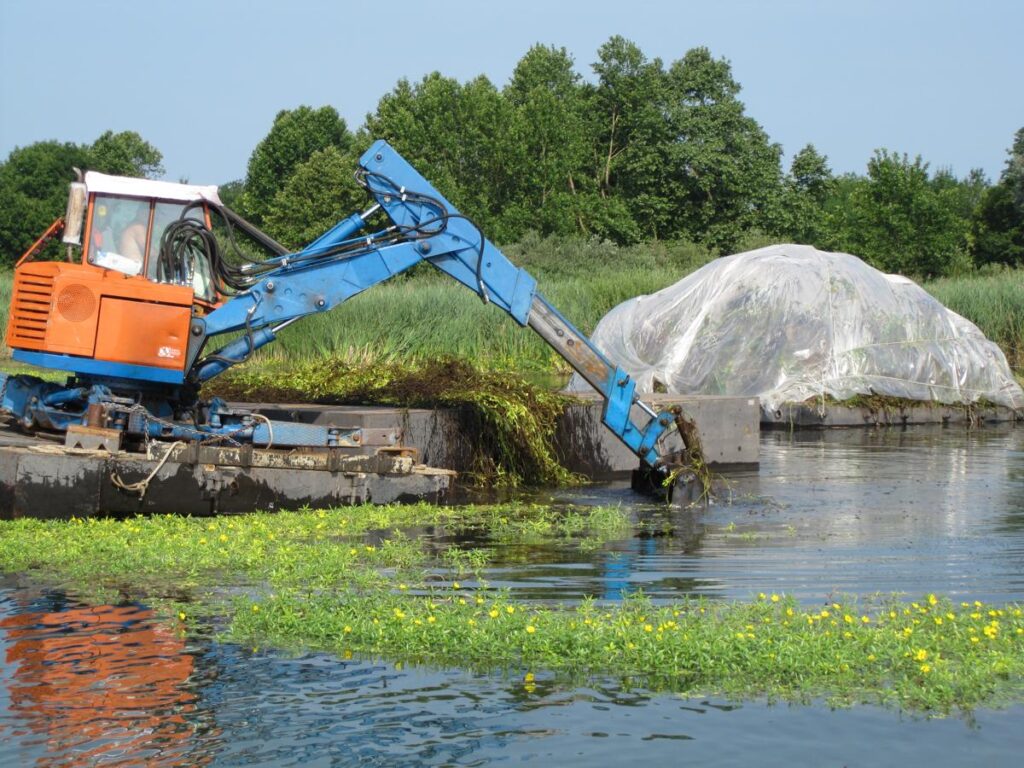
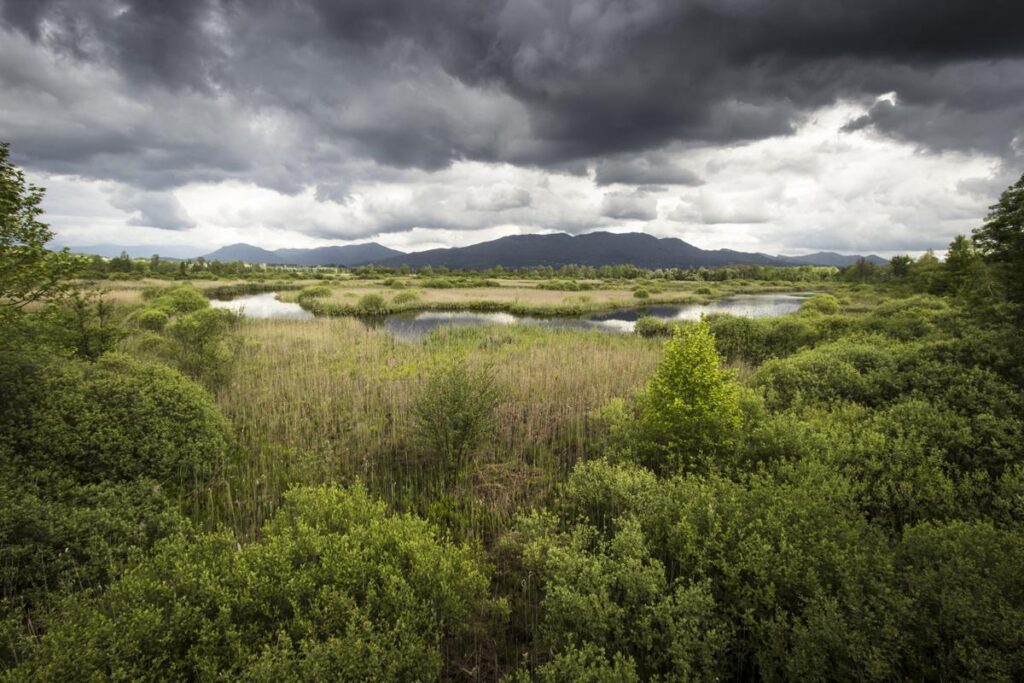
Between 2010 and 2025, the Foundation supported several partnerships of entities interested in applying to the main European programmes in the environmental field (LIFE, Interreg, Alpine Space, Erasmus, etc.): as many as 22 projects were awarded a grant by the European Commission, of a total of approximately €65 million, in areas ranging from the protection of biodiversity, both land- and water-based, adaptation to climate change, as well as awareness-raising activities for citizens and stakeholders.  
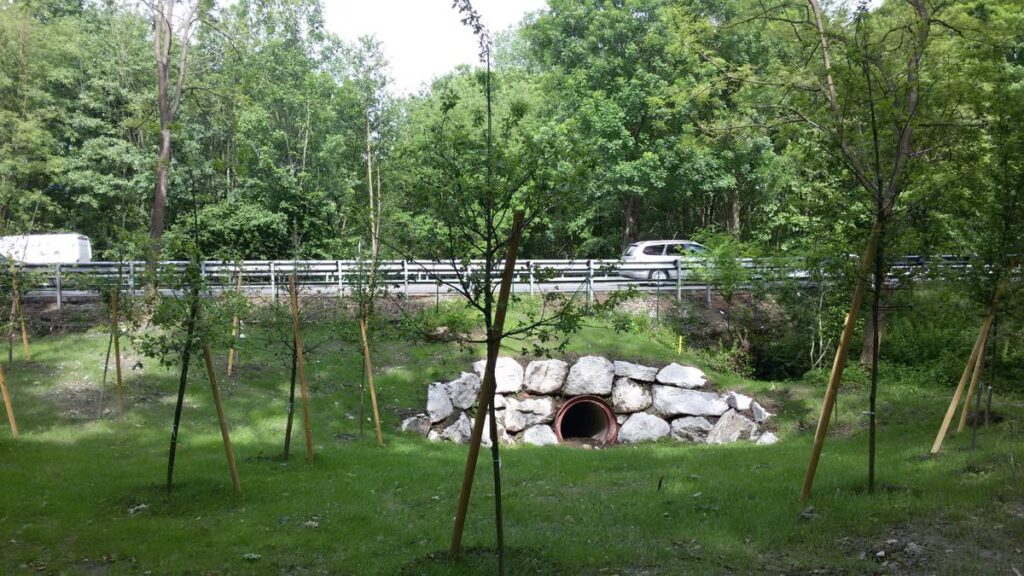
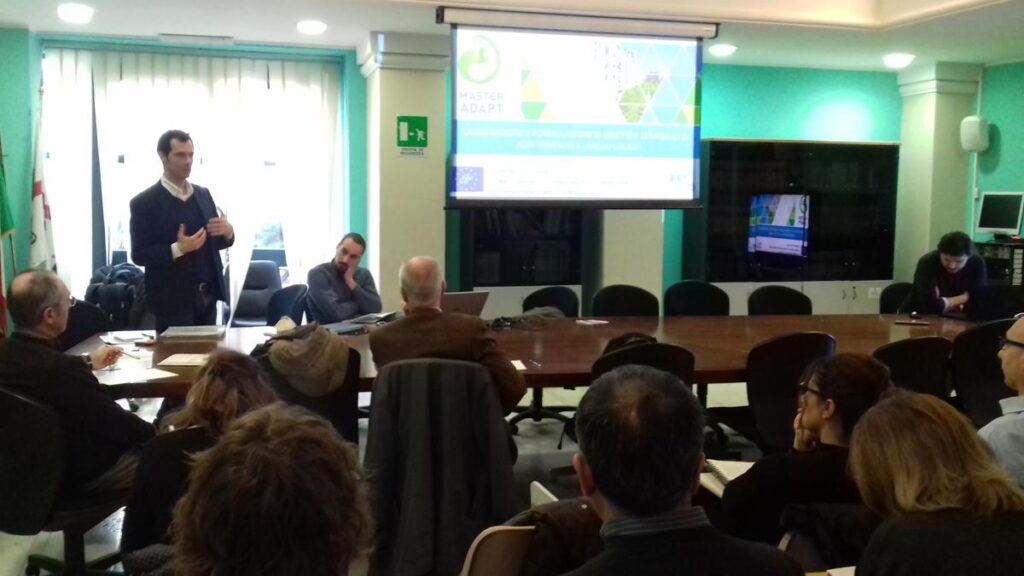
In addition to the financial support (about €5 million of total grants approved), the Foundation provided support for participation, organising a pathway on European planning with experts to illustrate the various initiatives and funding opportunities at European level.

Since 2025, a cross-sectoral approach has been adopted for this tool and also extends to the Arts & Culture Area; participation is therefore also opened up to non-profit organisations interested in applying for the main European programmes in the cultural field, to encourage experimentation in intersectoral collaborations that are better suited to respond to the complexities of contemporary challenges.
The tool offers a gentle support service for entities developing a project consistent with European calls for tender, and also provides co-financing to cover part of the budget to be submitted for their chosen European call (only if and to the extent that the European grant does not fully cover the project costs). In the event that the project does not obtain European funding, any grant approved by the Foundation will be revoked.
The European programmes where this approach can be used include:
• the Creative Europe Programme (CREA), which aims to enhance both co-operation between Member States (creation of partnerships for the development of ideas, festivals, performances) and the circulation of artists and content, as well as co-productions of the latter
• the Erasmus+ Programme, strongly focused on social inclusion, the green and digital transitions and encouraging young people to participate in democratic life
• the DEAR Programme, which supports social, economic and environmental development projects by promoting the understanding of complex aspects related to sustainable development.

The “Guide to European Planning” (also as a podcast) has additionally been made available for orientation in the system of directly and indirectly managed EU funds and participation in European calls and programmes. The Guide is the result of the collaboration between Fondazione CRTFondazione CariploFondazione Cassa di Risparmio di Cuneo, in partnership with other banking foundations (Fondazione di Trento e Rovereto, Fondazione Perugia, Fondazione Cariverona, Fondazione Firenze, Fondazione Cassa di Risparmio di Bolzano-Sparkasse, Fondazione Sardegna) and ACRI.