

Our approach to the Mandate Challenges
The Mandate Challenges represent areas where we believe urgent action is needed to support pathways to autonomy, inclusion, and well-being through a systemic approach. The challenges identified enable us to focus our work on emerging phenomena with a high impact on people and communities, developing responses that strengthen equity, participation, and opportunities for inclusion.
Integrating expertise, data, and partnerships to generate impact
To respond effectively to the complexity of these challenges, we promote a working model that connects social, cultural, environmental, and scientific areas. Fondazione Cariplo has decided to commit to launching three major cross-cutting challenges, each with a maximum allocation of €20 million: ZeroNeet, Anita, Destinazione Autonomia. Starting in 2026, a fourth mandate challenge will be added, dedicated to the issue of the prison situation in Fondazione Cariplo’s reference territory, for which €20 million has been earmarked in advance.

Discover the Mandate Challenges
We wish to reduce the number of young people who are NEET (Not in Education, Employment or Training), via an integrated approach that combines prevention from dropping out of school, measures to address youth disengagement from education and employment and the generation of knowledge that assists in the development of increasingly targeted and effective interventions.
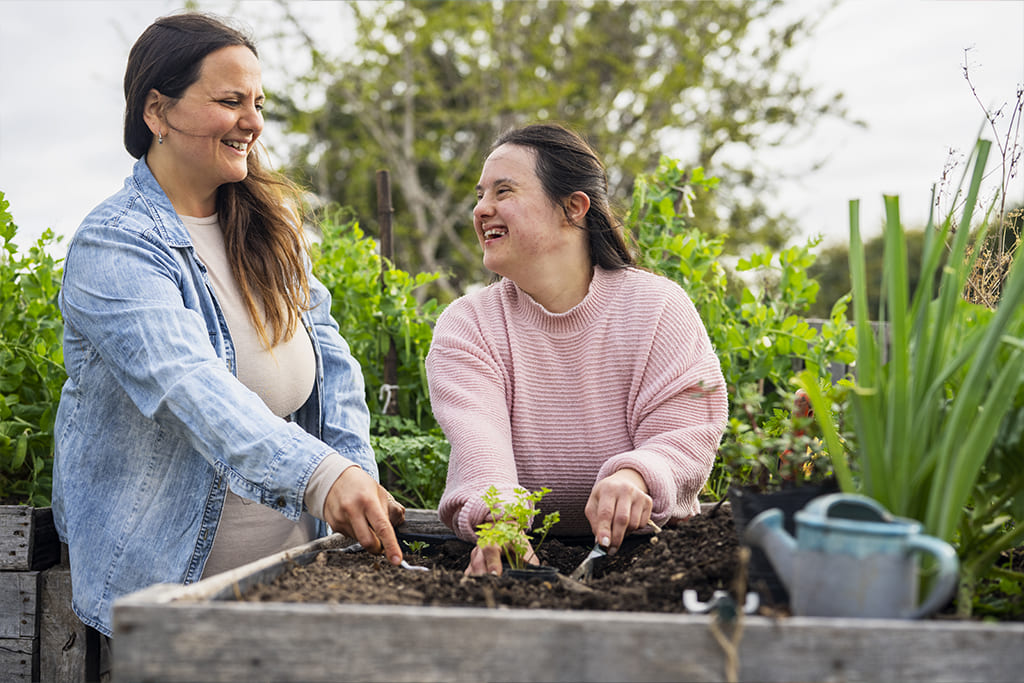
Find out moreWe work to create conditions that help people living with disabilities to improve their autonomy and enhance their quality of life. We promote interventions that strengthen people's self-determination, support families, improve accessibility to services and encourage the construction of more welcoming, competent and inclusive communities.
Find out moreWe support the harmonious development of children in the early years of their lives, creating the conditions for them to grow up in family and community contexts that are competent, welcoming and can respond to their needs. We work to prevent educational and social vulnerability, promote the well-being of families and bolster support services for children in the main formative phases of their cognitive, emotional and interpersonal bases.
Fine out moreWe wish to improve the living conditions of people who have received custodial or non-custodial sentences, by supporting their social re-integration and reducing the barriers that hinder full participation in community life.
Find out more